
Pedestrian Safety Tips for Busy Columbus Streets
Columbus pedestrians are getting hurt at an alarming rate. In just the first three months of 2026, the Ohio State Highway Patrol recorded more than 400 pedestrian-related crashes statewide, including dozens of fatalities and serious injuries.
Knowing your legal rights and practicing smart street habits will not make Columbus’ roads safe on their own – that’s up to city planners and drivers. However, it can help you avoid the worst situations and it matters a lot if you are ever injured and need to make a claim.
Ohio Law Gives Pedestrians Real Protection – With Limits
Under Ohio Revised Code § 4511.46, drivers must give way to pedestrians who are lawfully crossing a marked crosswalk. This duty does not disappear when a driver turns, runs late, or is simply not paying attention. Drivers also can’t pass another vehicle that has stopped for a pedestrian – a rule that saves lives at busy crossings in the middle of the block.
But pedestrian rights are not unconditional. Under ORC § 4511.48, if you cross outside a marked crosswalk or intersection, you are required to yield to traffic. Crossing mid-block between two signalized intersections is flatly prohibited by Ohio law. And if you step suddenly into the path of an oncoming vehicle that can’t stop in time, the law assigns some fault to you – regardless of where you were standing.
That shared-fault dynamic is important for injury claims. Ohio follows modified comparative negligence under ORC § 2315.33. You can still recover compensation if you are 50% or less responsible for the accident. If a jury finds you to be 51% or more responsible, you will receive nothing. Insurance companies are well aware of this rule and will aggressively use it against injured pedestrians. Your behavior before the collision – whether you were in the crosswalk, obeyed signals, or were distracted – will directly affect the value of your claim.
Columbus’s Most Dangerous Corridors
The city’s Vision Zero initiative has identified a High Injury Network – a set of streets that account for a disproportionate share of serious and fatal pedestrian crashes. These are not random roads. They tend to be wide arterial roads with high vehicle speeds, limited crosswalks, and heavy pedestrian traffic. Columbus is investing in safety improvements on these corridors, including curb extensions, high-visibility crosswalk markings, and pedestrian-activated flashing signals. Construction on some Phase 1 and Phase 2 High Injury Networks is underway in 2026. This is progress – but the roads are still dangerous in the meantime.
Practical Safety Steps That Actually Matter
Most pedestrian safety advice is so obvious that it seems useless. However, there are some specific tips that can help reduce risks in a busy urban environment:
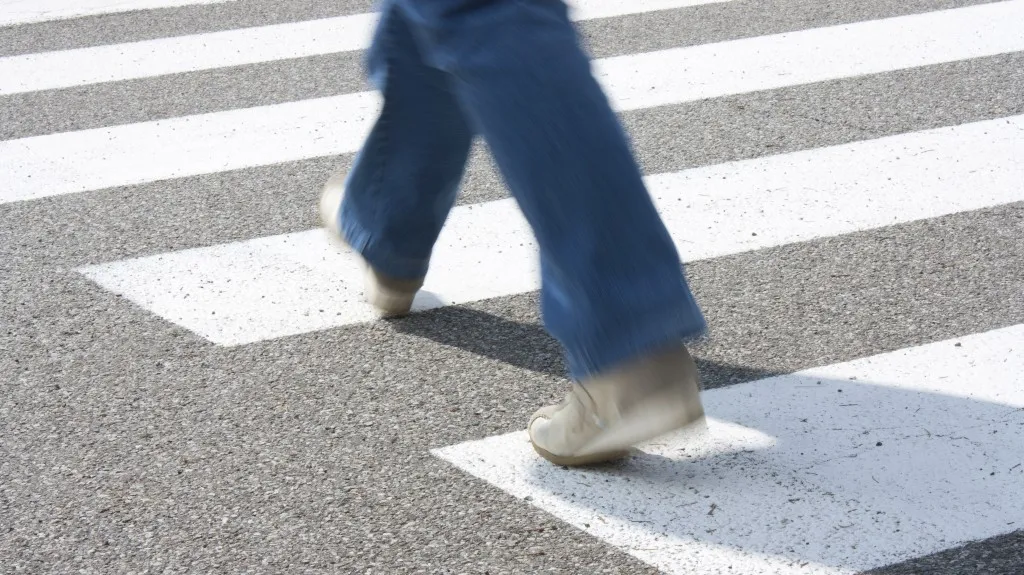
- Cross at marked crosswalks. An unmarked crosswalk may have legal protection, but a painted one is much more visible to drivers. Use the painted crosswalk if it’s available.
- Wait for the “walk” light to turn on before stepping off the curb. Drivers often don’t see pedestrians and may turn late.
- Make eye contact with drivers before crossing, especially at driveways and right-turn lanes. Vehicles may not stop for you if they slow down to turn.
- Put your phone down. Distracted walking can lead to accidents. If a driver doesn’t yield to you while you’re on your phone, it may be used against you in a claim.
- Be visible after dark. A significant number of pedestrian fatalities in Columbus occur at night or in low-light conditions. Wearing reflective gear and crossing in areas with streetlights is not just common sense – it’s a sign of reasonable caution.
- Do not assume that a stopped vehicle means a clear path. ORC § 4511.46 prohibits passing a vehicle that has stopped for a pedestrian, but not all drivers follow this rule. Always check the adjacent lane before crossing the road.
If You Are Hit: What Happens Next Determines Your Recovery
The moments after a pedestrian accident are chaotic, and decisions you make can significantly affect your legal situation. Call 911 and remain at the scene. Even if you think you can walk away, get checked by paramedics – adrenaline can mask serious injuries, and the gap between the accident and medical treatment can become a liability issue for the insurance company.
Ohio gives you two years from the date of injury to file a personal injury claim under ORC § 2305.10. That sounds like a long time. It is not, when you consider that evidence fades, witnesses become hard to locate, and insurance companies begin building their defenses the day the claim is reported.
When a Driver’s Negligence Caused Your Injuries
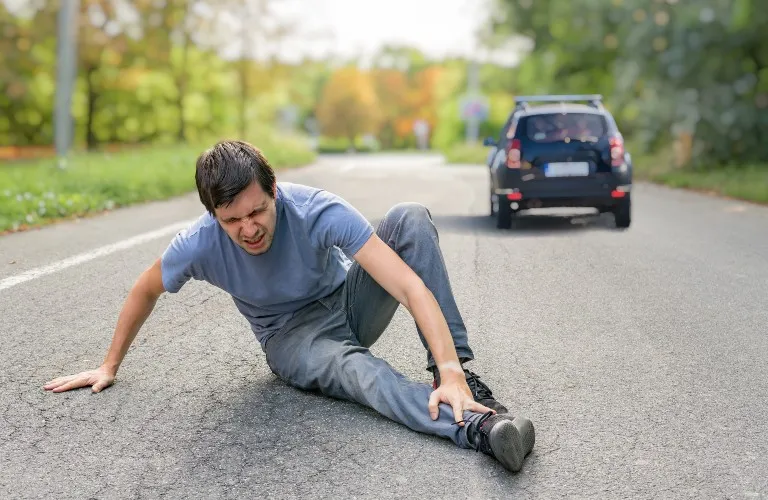
Pedestrian accidents are rarely simple cases. Drivers, their insurance companies, and sometimes even the city (if a faulty crosswalk or a missing signal contributed to the accident) can all be involved in the dispute over fault. Medical causation is also disputed, as are damages minimized.
Injured as a Pedestrian in Columbus?
At Kitrick, Lewis & Sladek, L.P.A., our attorneys have combined 96 years of experience handling serious personal injury cases in Ohio. If you or a loved one were involved in an accident in Columbus and were struck by a car while walking, we can help you understand the value of your case and the steps needed to reach a resolution. Contact us today to schedule a consultation.
