Industrial Accident Attorneys Columbus OH
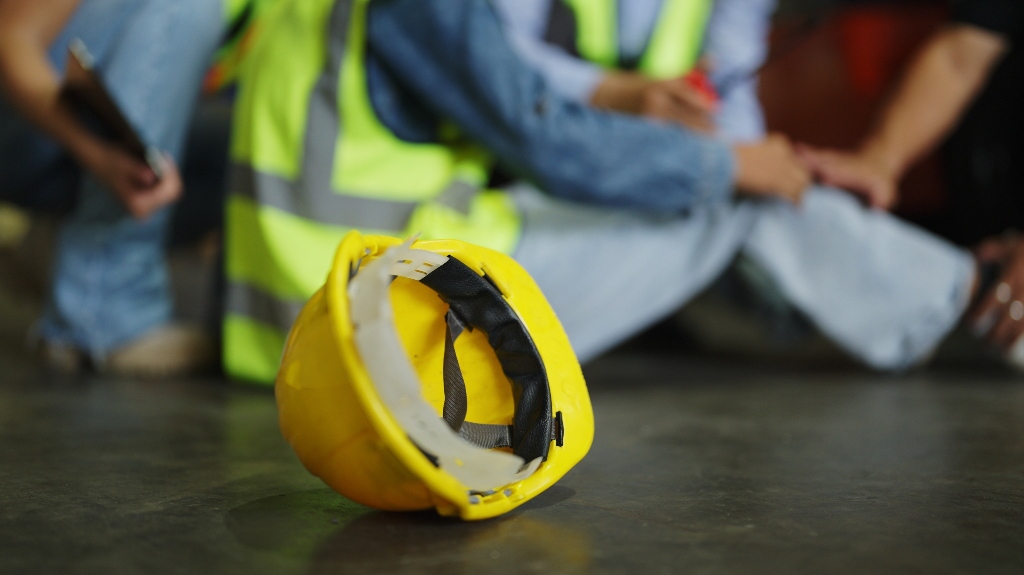
Industrial accidents encompass a wide range of incidents that occur in workplaces, particularly in sectors such as manufacturing, construction, and agriculture. These accidents can lead to severe injuries, loss of life, and extensive property damages.
If you were hurt at work in Ohio, workers’ compensation is usually only a part of the story. The rest depends on what caused the accident and who is responsible.
Read More Testimonials from Our Clients
What Counts as an Industrial Accident
Industrial accidents encompass a wide range of incidents that occur in workplaces, particularly in sectors such as manufacturing, construction, and agriculture. These accidents can lead to severe injuries, loss of life, and extensive property damage.
Common Types of Industrial Accidents
Workplace Explosions
Explosions often result from equipment failures, code violations, or poor safety practices. They can have catastrophic consequences for workers.
Falls
Slips, trips and falls are common in industrial settings and can cause serious injuries, including fractures and traumatic brain injuries (TBIs). According to BLS data, 844 workers died from slips, trips or falls in 2024. Of these, construction and extraction workers account for 370.
Chemical Exposure
Workers handling hazardous materials may be at risk of acute injuries and long-term health issues due to exposure. Some illnesses can take years to develop, which affects the filing deadline.
Equipment Failures
Malfunctioning machinery can lead to serious accidents, especially if proper maintenance is not performed. Common problems include:
- Missing or bypassed machine guards
- Lockout/tagout failures, when a machine starts up while repairs are being made
- Defective design or manufacturing, which can lead to product liability claims
Safety Violations
Non-compliance with safety regulations can create dangerous work environments, increasing the likelihood of accidents. Ohio enforces its own specific safety rules for workplaces, which are stricter than federal OSHA standards in some cases.
Types of Injuries Resulting from Industrial Accidents
Victims of industrial accidents can experience a variety of serious injuries, such as:
- Burns: These can be caused by explosions or exposure to chemicals and may require extensive medical care and rehabilitation.
- Traumatic Brain Injuries (TBIs): These can occur from falls or impacts and can have long-lasting effects on cognitive function and quality of life.
- Fractures and dislocations: These can require significant healing time and may even require surgery in some cases.
- Respiratory issues: Long-term exposure to hazardous chemicals can lead to chronic respiratory conditions that significantly impact health.
- Amputations: Serious accidents can result in the loss of limbs or fingers, significantly affecting a person’s ability to work and lifestyle.
Severity matters legally, too. In a civil lawsuit, Ohio’s limits on non-economic damages under R.C. 2315.18 do not apply to catastrophic harm, such as the loss of a limb.
How Ohio Workers’ Compensation Fits In
A State-Run System
Most Ohio employers get coverage through the Ohio Bureau of Workers’ Compensation, not a private insurer. Benefits cover medical care and part of your lost wages, regardless of who caused the accident.
The Tradeoff
In exchange for no-fault benefits, R.C. 4123.74 generally protects a covered employer from being sued. Workers’ compensation also doesn’t pay for pain and suffering. For a serious injury, that gap can be significant.
Filing Your Claim
You have one year from the date of injury to file a workers’ compensation claim under R.C. 4123.84 for occupational injuries. For occupational diseases, R.C. 4123.85 allows two years from the onset of disability or when you are diagnosed, whichever happens later.
When You Can Recover More Than Workers’ Comp
Third-Party Claims
Your employer may be out of bounds. Other companies are not. A third-party lawsuit can be filed against:
- The manufacturer of a defective machine or safety device under Ohio’s product liability laws
- A general contractor or subcontractor at a shared worksite
- The owner of the property where you were working
- A delivery or trucking company whose driver was responsible for the accident
These claims can include pain and suffering. Keep in mind that the BWC or a self-insured employer generally has the right to be reimbursed from that recovery under R.C. 4123.931. The way the settlement is structured really matters.
Employer Intentional Tort
Ohio allows a direct lawsuit against an employer only in narrow cases. Under R.C. 2745.01, you must show that the employer acted with deliberate intent to injure.
There is one important shortcut: if an employer deliberately removes an equipment safety guard or deliberately misrepresents a toxic substance, the law assumes intent to injure. The Ohio Supreme Court interpreted “equipment safety guards” narrowly in Hewitt v. L.E. Myers Co., so these cases require careful evidence from the beginning.
What to Do After an Industrial Accident
The first few days are crucial for the outcome of your case. If possible, take the following steps:
- Report the injury to your supervisor as soon as possible, preferably in writing.
- Seek medical attention and let the doctor know that the injury occurred at work.
- Take photographs of the equipment, work area, and injuries.
- Write down the names of any coworkers who witnessed the incident.
- Avoid giving recorded statements to the insurance company until you have sought legal advice.
Legal Support for Industrial Accident Victims
If you or a loved one has been injured in an industrial accident, it’s crucial to seek experienced legal counsel. Navigating the complexities of industrial accident cases can be challenging, especially when dealing with workers’ compensation claims.
At Kitrick, Lewis & Staley-Sladek, we are committed to providing compassionate and effective legal assistance for injured workers. We can help you in the following ways:
- Free Consultation: We offer a free consultation to evaluate your situation and discuss your options.
- Thorough Investigation: Our lawyers conduct a thorough investigation, gathering all relevant evidence, such as accident reports, witness testimonies, and safety records.
- Establishing Liability: We work hard to determine who is responsible for your injuries, whether it’s your employer, a manufacturer, or another party.
- Negotiating with Insurance Companies: We negotiate on your behalf to secure a fair settlement that covers medical expenses, lost wages, and pain and suffering, if applicable.
- Litigation: If we can’t reach a fair agreement, we are ready to take your case to court and fight for your rights.
Explore Our Latest Podcast Episodes
Talk to a Columbus Industrial Accident Attorney
An industrial accident case often involves more than one claim and more than one deadline. Kitrick, Lewis & Staley-Sladek can review how your accident happened, identify all responsible parties, and protect your recovery. Schedule a free consultation today.
Common Industrial Accidents FAQs
Related Articles
-
Motorcycle Accident Injuries That May Not Be Obvious on the First Day
Ohio’s two-year deadline for filing a motorcycle injury lawsuit begins when the injury occurs, not when you finally realize it. Under O.R.C. 2305.10, bodily injury claims generally accrue on the date of injury. A concussion that does not appear until day four does not get extra time. That’s a problem because many serious motorcycle accidents…
-
Dashcam Footage After a Columbus Crash: Can It Help or Hurt Your Injury Claim?
Most dashcams record in a loop. Unless someone saves the file, a clip showing who ran a red light can be overwritten within days, sometimes even hours. That’s how a lot of important video evidence disappears after an accident in Columbus. When footage survives, it can be the strongest evidence in an injury claim. It…
-
How Columbus Vision Zero Projects Could Affect Pedestrian and Motorcycle Accident Claims
Columbus is currently rebuilding some of its most dangerous intersections, and the timing is important if you or someone you know was injured while walking or riding a motorcycle on one of these streets. The Vision Zero program of the city has already identified which corridors are responsible for a disproportionate number of serious and…