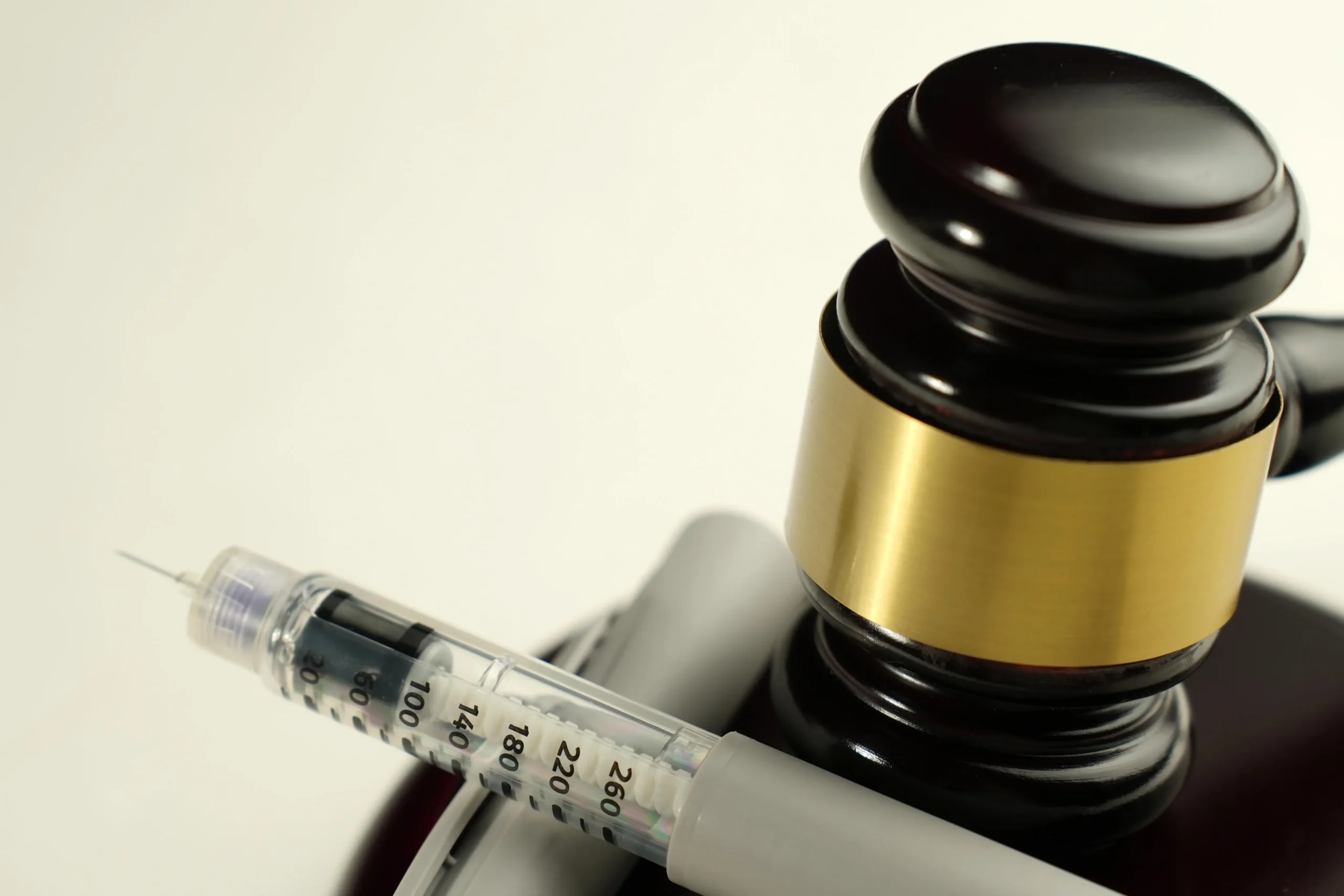
A weight-loss injection that caused your sight to fail, or an implanted port that fractured inside your chest, is not something you agreed to when you signed up for treatment. Kitrick, Lewis & Staley-Sladek Co., L.P.A. is now accepting claims for drug and medical device injuries from every state in two ongoing lawsuits: Ozempic and Wegovy injury claims, and Bard implanted port catheter injuries. Both manufacturers are based in New Jersey. This single fact gives our clients the option most firms would never offer: to keep the case in a New Jersey state court rather than the crowded federal multi-district litigation.
Read More Testimonials from Our Clients
GLP-1 Injury Claims: Ozempic and Wegovy
Ozempic and Wegovy are both versions of the same drug, semaglutide, which is sold by Novo Nordisk to treat diabetes and help with weight loss. Other GLP-1 drugs are also being sued, but cases involving semaglutide have the strongest claims and Novo Nordisk operates its U.S. offices from New Jersey.
NAION: Sudden and Often Permanent Vision Loss
Non-arteritic anterior ischemic optic neuropathy, or NAION, is sometimes called an eye stroke. Blood flow to the optic nerve is cut off. Vision in the affected eye drops suddenly and painlessly, often overnight, and there is no treatment that reliably restores it. Some patients keep partial sight. Others lose it entirely in that eye.
These are the strongest claims about GLP-1 we handle. A 2024 study in JAMA Ophthalmology found that semaglutide users faced a significantly higher NAION risk than patients taking other diabetes medications. European regulators added NAION to the label for semaglutide in 2025. In February 2026, the UK medicines regulator issued a safety warning about a possible association between semaglutide and NAION, but the US label still does not mention it. This gap is at the heart of the issue: a manufacturer who knew, or should have known, did not warn about it.
A strong NAION claim usually has the following pieces in place:
- A NAION diagnosis from an ophthalmologist or neuro-ophthalmologist.
- Pharmacy or prescription records showing use of Ozempic or Wegovy before the vision loss started.
- Vision loss that has not improved, whether partial or complete.
- Other causes have been ruled out (this is where medical records come in).
Gastroparesis: Paralysis of the Digestive Tract
Gastroparesis means that the stomach stops moving food through it at a normal rate. In severe cases, feeding tubes, gastric stimulators, or surgery may be required. We accept these claims, but with a caveat about what qualifies for them.
Nausea, vomiting, diarrhea and constipation are all expected side effects, which are listed on the label and are not actionable. No matter how miserable these side effects may be, they are not preventable. In August 2025, a federal judge ruling on gastrointestinal litigation stated that gastroparesis plaintiffs require objective diagnostic evidence, such as a gastric emptying study, rather than just symptoms. If you have been hospitalized, had a feeding tube inserted, or have confirmed gastroparesis diagnosis that persists after discontinuing the medication, your records should be reviewed.
Bard Implanted Port Catheter Claims
A port catheter is a small device implanted under the skin of the chest, with a thin tube threaded into a large vein. It allows patients to receive chemotherapy, IV nutrition, or long-term medication without repeated needle sticks.
The lawsuits allege that the catheter material, a polyurethane blend called ChronoFlex, degrades inside the body, causing the tubing to crack and pieces to break off. Bacteria colonize the rough surface, and plaintiffs claim that these are design defects that Bard never adequately warned surgeons or patients about.
The most common injuries we see include:
- Catheter fracture, which can sometimes cause fragments to travel to the heart or lungs.
- Migration of the device from its intended position.
- Bloodstream infection and sepsis.
- Formation of blood clots, such as deep vein thrombosis or pulmonary embolism.
- Emergency surgery to remove the device or retrieve any fragments.
Cancer patients are the largest group of victims. A port failure during chemotherapy delays treatment at the worst possible time.
Deadlines Are Short and Vary by State
Most states give you two years to file a product liability claim, measured from the injury or when you reasonably should have connected the injury with the product. Ohio’s limit is two years under R.C. 2305.10. New Jersey’s is also two years, but some states allow less. A discovery rule may extend the clock, but courts apply it narrowly and waiting to find out is a gamble.
If your port was removed, ask the hospital to preserve the device. If you lose your vision, request a complete ophthalmological file, including visual field tests and optic nerve imaging. The evidence that exists today may not be available next year.
Explore Our Latest Podcast Episodes
What Kitrick, Lewis & Staley-Sladek Brings to These Cases
Kitrick, Lewis & Staley-Sladek Co., L.P.A., is focused solely on cases involving serious personal injury and wrongful death claims, defective products, medical malpractice, and consumer class action lawsuits. We understand how overwhelming it can be to suffer a serious injury or tragic loss and then navigate the complex legal system. From the start, we are at your side, working hard to ensure you receive close attention. Contact us today.
FAQs
Related Articles
-
Motorcycle Accident Injuries That May Not Be Obvious on the First Day
Ohio’s two-year deadline for filing a motorcycle injury lawsuit begins when the injury occurs, not when you finally realize it. Under O.R.C. 2305.10, bodily injury claims generally accrue on the date of injury. A concussion that does not appear until day four does not get extra time. That’s a problem because many serious motorcycle accidents…
-
Dashcam Footage After a Columbus Crash: Can It Help or Hurt Your Injury Claim?
Most dashcams record in a loop. Unless someone saves the file, a clip showing who ran a red light can be overwritten within days, sometimes even hours. That’s how a lot of important video evidence disappears after an accident in Columbus. When footage survives, it can be the strongest evidence in an injury claim. It…
-
How Columbus Vision Zero Projects Could Affect Pedestrian and Motorcycle Accident Claims
Columbus is currently rebuilding some of its most dangerous intersections, and the timing is important if you or someone you know was injured while walking or riding a motorcycle on one of these streets. The Vision Zero program of the city has already identified which corridors are responsible for a disproportionate number of serious and…