
Understanding Ohio Dog Bite Liability Laws
Ohio has never given dog owners a free first bite. This has been the rule for decades and it is one of the most stringent victim-protection laws in the country. As of March 20th, 2026, Ohio’s laws just got even stronger. House Bill 247 – Avery’s Law – came into effect this spring, making it more difficult to classify dangerous dogs, faster for authorities to act after an attack, and requiring insurance before a dog can hurt someone. If you have been bitten or injured by a dog in Ohio, it is essential to understand both the long-standing statute and the changes from 2016 to protect your claim.
Strict Liability Under ORC § 955.28: What It Actually Means
Ohio Revised Code § 955.28 (B) is the core of Ohio dog bite law. It imposes strict liability on the owner, keeper, or harboring of a dog for any injury, death, or property damage caused by the dog. Strict liability means that you do not have to prove that the owner was negligent, and you do not need to prove that the dog had ever exhibited aggressive behavior before. Instead, you simply need to show that the dog caused the injury – and identify the responsible party.
That last part – “owner, keeper, or harboring” – is broader than many people expect. A “keeper” is someone with physical control over the dog at the time of the incident, even temporarily. This includes a pet sitter who walks the dog or a friend who takes the dog for the weekend. A harboring person controls the premises where the dog resides and allows the dog to stay there, even if they are not the legal owner. Ohio courts have interpreted this to include landlords who know the tenant’s dog is on the property.
Avery’s Law: What Changed in March 2026
Avery’s Law was named after Avery Russell, an 11-year-old girl from Columbus, who spent a month in hospital after being attacked by dogs with a prior bite history in June 2024. The owner of the dogs was fined $450 and sentenced to four days in jail. This outcome, along with exposure of Ohio’s previous laws, led to a statewide legislative effort which passed both houses unanimously.
The key changes under House Bill 247 are:
- A tiered classification system with formally defined categories of nuisance, dangerous, and vicious dog behavior based on behavior, rather than just whether a bite has previously occurred.
- Dogs that repeatedly charge or threaten people off their property can now be classified as dangerous even if they have never broken skin.
- Mandatory $100,000 liability insurance for owners of dogs classified as dangerous or vicious.. This is extremely important for victims – it means they are more likely to receive compensation for their injuries, rather than having to pursue the owner who may not have any assets.
- Mandatory reporting of dog bites within 24 hours by medical professionals and veterinarians creates a clear documentation trail that can help strengthen victims’ cases. Immediate impoundment authority for dog wardens following an attack means that victims do not need to wait for court proceedings to begin.
- If a dog had a previous dangerous or vicious designation at the time of the attack, this information can now be used as direct evidence of the owner’s knowledge and when they were aware of it.
Three Situations Where Strict Liability Does Not Apply
Ohio’s strict liability rule has some exceptions. If any of these exceptions apply, the owner may not be legally responsible under the law, although a common law claim for negligence is still possible.
- Trespassing. If the injured person was on the property without permission from the owner, strict liability may not apply. Lawful presence, such as a letter carrier or delivery driver, is protected. However, a trespasser is generally not protected.
- Provocation. Hitting, teasing, or other antagonizing behavior towards a dog may defeat a strict liability claim. The court will consider whether a reasonable person would have expected the dog to respond. Accidental contact, such as stepping on a dog’s paw, typically does not count as provocation.
- Law enforcement and military dogs. Dogs acting within the scope of their official duties are exempt from the law.
What Dog Bite Victims Can Recover
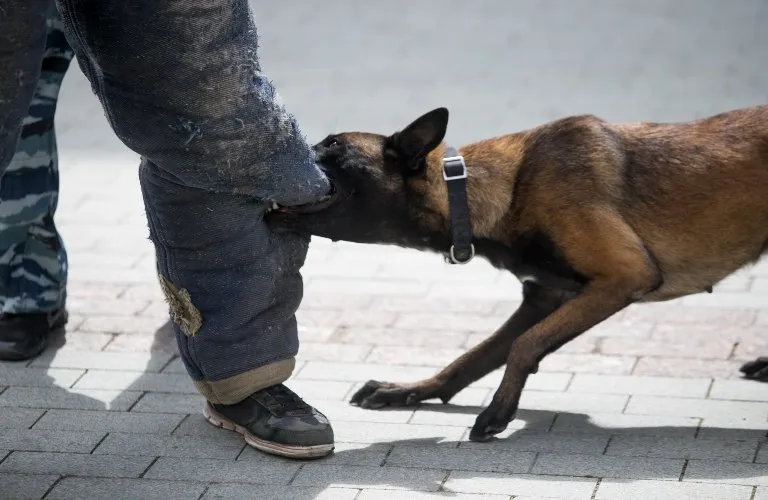
Ohio law allows victims to pursue compensation for the full scope of their losses. Dog attacks cause serious physical injuries – deep lacerations, nerve damage, infection, scarring, and, in severe cases, permanent disfigurement. Children are disproportionately affected, and the psychological aftermath of a dog attack can be long-lasting.
Recoverable damages typically include:
- Emergency medical treatment, surgery, hospitalization, and subsequent medical care
- Loss of wages during recovery – and loss of future earning capacity if the injuries are permanent
- Pain and suffering, including emotional distress and psychological trauma
- The cost of reconstructive surgery or ongoing treatment for scars and disfigurements. This category is often significantly underestimated in initial insurance proposals
Bitten by a Dog in Ohio? Talk to an Experienced Attorney.
The attorneys at Kitrick, Lewis & Sladek-Staley, L.P.A. have been handling serious personal injury cases in Ohio for nearly four decades. Dog attacks are not always straightforward cases – owners dispute liability, insurance companies dispute damages, and exceptions to strict liability can be used as a tool. If you have suffered serious injuries, it is essential to consult with someone who knows how these cases actually work before accepting any offers or settlements. Contact us today to arrange a consultation.
