Product Liability Attorneys Columbus OH
The majority of the products we purchase are safe, and there are government agencies in place whose mission is to protect us from dangerous or defective products.
Yet, each year, harmful products still make their way onto the market.
Sometimes, the product is unnecessarily dangerous or defective, or there may be inadequate instructions or warning labels, but in any case, the person who uses the product will be the one to get hurt.
Read More Testimonials from Our Clients
Dangerous Products Still Reach Ohio Homes
These products can include:
- Defective automobiles
- Unsafe drugs
- Faulty baby cribs
- Potentially dangerous window blinds with cords that can be a strangulation hazard to small children.
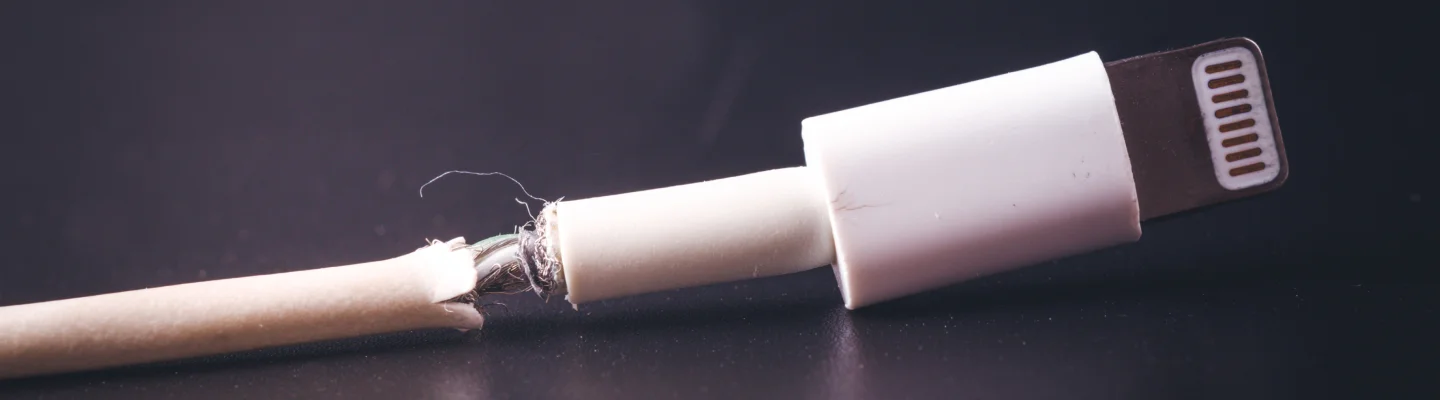
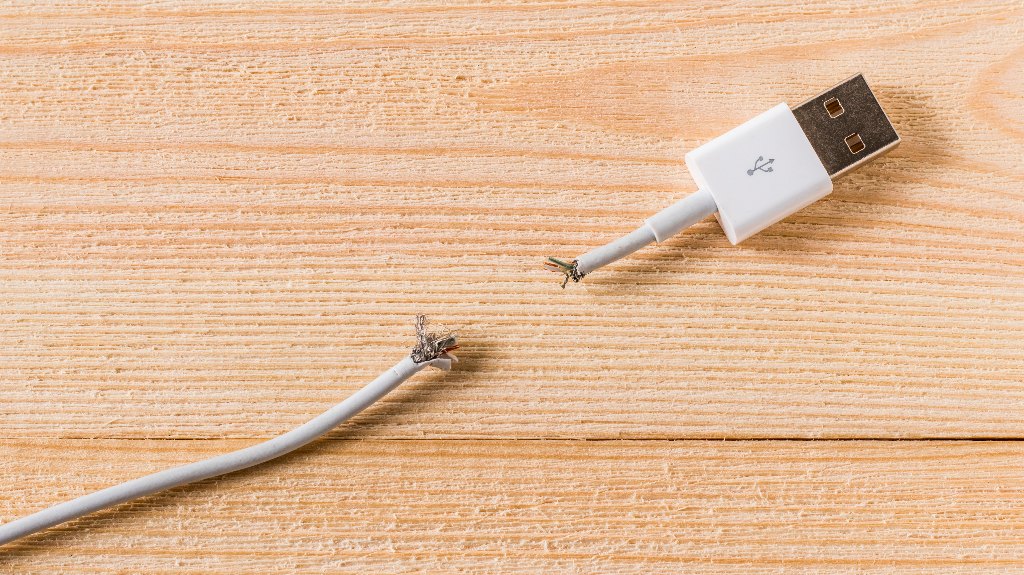
Faulty products can cause serious injuries, such as burns, serious shock and even death. When this happens, the manufacturer, distributor, retailer and installer of the product should be held responsible.
A Recall Isn’t the Whole Story
You can search for consumer product recalls and vehicle safety recalls online. A recall can help to show that a company was aware of a problem.
But it doesn’t automatically win your case. And a lot of dangerous products are never recalled at all.
Who Can Be Held Responsible
A single product goes through many stages of production and distribution. Depending on the circumstances, liability may be shared between:
- The manufacturer of the final product
- Manufacturers of defective components
- Distributors and retailers
- Installers who install the product in your home or work space
Sellers are treated differently than manufacturers. Under R.C. 2307.78, a seller is usually liable only if it was negligent or made its own representations about the product. There are exceptions, such as when the manufacturer is insolvent or can’t be brought to an Ohio court.
Product Liability Claims in Ohio
Product liability claims against a manufacturer do not require you to prove that the manufacturer was negligent. Instead, you can file a lawsuit if you can prove that the product was defective and that this defect caused your injury. The Ohio Product Liability Act governs these claims.
Four Types of Defects
Under R.C. 2307.73, a product can be considered defective due to:
- Manufacturing issues, such as a contaminated batch of food that doesn’t meet its own design specifications.
- Design flaws that cause foreseeable risks to outweigh the benefits, such as the potential for harm to users.
- Inadequate warnings or instructions that fail to provide clear information about how to use the product safely.
- Failure to conform to representations made by the manufacturer about the product’s features and capabilities.
How You Used the Product Still Matters
Companies often argue that the injured person has misused the product. Under R.C. 2307.711, knowingly assuming a risk can completely bar recovery.
Other shared fault falls under R.C. 2315.33. Your compensation is reduced by your percentage of fault, and you recover nothing if your fault is greater than the defendants’ combined fault.
Ohio Filing Deadlines
Two years after the injury for most claims under R.C. 2305.10, unless it’s an asbestos, toxic chemical, drug, or medical device injury. In those cases, the clock typically starts when a doctor connects your injury to exposure. A ten-year statute of limitations generally applies from the first sale of the product, with exceptions for asbestos and fraud. For wrongful death claims, the time frame is usually two years from the date of death per R.C. 2125.02.
Types of Product Liability Cases We Handle
We handle product liability cases involving a wide variety of products and situations including:
- Asbestos claims
- Injuries from power tools and industrial equipment
- Home and kitchen appliance injuries
- Injuries or poisoning from toys and children’s products
- Food poisoning and contaminated food products
- Dangerous drugs and pharmaceutical products, including defective Fentanyl Patches
- Defective medical devices
Defective Vehicles and Auto Parts
Faulty brakes, tires, airbags, and seatbelts can turn a minor accident into a catastrophe. Even when another driver causes the collision, the car manufacturer may share responsibility for injuries that a safer design could have prevented.
Power Tools and Industrial Equipment
Missing guards and faulty safety switches cause serious workplace injuries every year.
If a defective machine hurts you at work, you can usually receive workers’ compensation from Ohio and also bring a separate lawsuit against the manufacturer. Your employer is usually protected from lawsuits under R.C. 4123.74, but the maker of the machine is not. Remember that the Bureau of Workers’ Compensation may be entitled to reimbursement from that settlement under R. C. 4123.931.
Dangerous Drugs
Defective fentanyl patches can leak and deliver a dangerous dose. Our firm also accepts nationwide claims involving GLP-1 medications linked to NAION vision loss or gastroparesis.
Drug cases follow special rules. Under R.C. 2307.76, a drug maker’s warning duty generally runs to the prescribing doctor, not directly to the patient.
What to Do After a Product Injury
The product itself is often your most important evidence.
- Get medical care and follow your treatment plan.
- Keep the product. Don’t repair it, throw it away, or send it back to the company
- Save packaging, instructions, warning labels, and receipts
- Photograph the product, your injuries, and the scene
- Talk to a lawyer before signing anything from the manufacturer or its insurer.
Compensation You May Recover
A successful claim may cover:
- Medical bills, past and future
- Lost wages and reduced earning capacity
- Pain and suffering
- Funeral costs and loss of support, in wrongful death cases.
Ohio caps some non-economic damages under R.C. 2315.18, but catastrophic injuries are an exception. Punitive damages require proof of flagrant disregard for safety.
Why Clients Choose Kitrick, Lewis & Staley-Sladek
Our firm is focused solely on cases involving serious personal injury, wrongful death, bad products, medical malpractice, and consumer class action lawsuits. We understand how overwhelming it can be to suffer a serious injury or tragic death and then face the confusing legal system. From the start, we are at your side, giving you close personal attention.
- Four highly respected attorneys with a combined 96 years of experience
- Recognized by Best Lawyers in America and Super Lawyers
- Compassionate counsel, remarkable results.
Explore Our Latest Podcast Episodes
Talk to a Columbus Product Liability Attorney
Product cases turn on evidence that the manufacturer controls, such as design files and testing records. Contact Kitrick, Lewis & Staley-Sladek to find out if you have a claim and which deadlines apply.
Common Defective Products FAQs
Related Articles
-
How Columbus Vision Zero Projects Could Affect Pedestrian and Motorcycle Accident Claims
Columbus is currently rebuilding some of its most dangerous intersections, and the timing is important if you or someone you know was injured while walking or riding a motorcycle on one of these streets. The Vision Zero program of the city has already identified which corridors are responsible for a disproportionate number of serious and…
-
How Emotional Distress and Physical Injuries Can Work Together in a Personal Injury Claim
A driver ran a red light on High Street and clipped your bumper. No broken bones, no ambulance ride, but you flinch every time you approach that intersection for months afterward. Under Ohio law, this fear alone is usually not a case. Add a fractured wrist from the same accident, and the fear becomes evidence…
-
Ohio Pedestrian Accidents: When Drivers Are Automatically at Fault
Ohio does not have a law that makes a driver fully liable for the moment they hit someone on foot. However, some driver behavior comes close to this. When a driver violates a specific safety law and injures a pedestrian, Ohio courts can consider that violation to be negligence in and of itself. Lawyers refer…